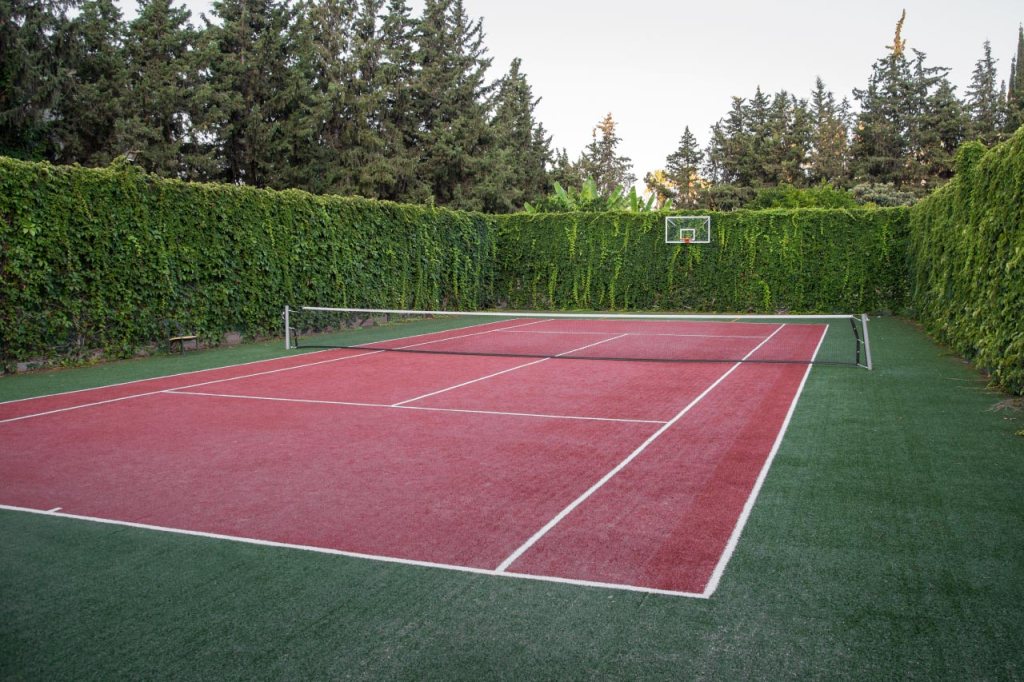
There’s something quietly romantic about a tennis court. Not the roaring stadium kind, but the one tucked behind a hedge, warmed by afternoon sun, with a few scuff marks telling stories of early mornings and long rallies. People don’t usually wake up one day and decide to build a court on a whim. It tends to come from years of playing, dreaming, or watching kids hit their first clean forehand and thinking, this could be part of everyday life.
What makes the idea compelling isn’t just the sport. It’s the permanence. A court says you’re investing in time—future weekends, family rituals, and a space that pulls people outdoors when screens feel heavy. But before the lines are painted and the net is strung, there’s a lot worth understanding, and not just the technical bits.
Why Backyard Courts Are Having a Moment
More people are rethinking how they use their space. Travel slowed, home became central, and suddenly gardens weren’t just decorative—they were functional. Tennis fits that shift beautifully. It’s social without being crowded, competitive yet forgiving, and it ages well. You can play at twelve, you can play at seventy.
There’s also a subtle pride in having something well built. Not flashy, not showy. Just solid. The kind of thing that improves with use. That’s why conversations often start with browsing tennis court construction companies—not because people want complexity, but because they want it done right the first time.
A good builder understands that a court isn’t just a rectangle of asphalt or concrete. It’s drainage, soil behaviour, orientation to the sun, and small decisions that affect how the ball feels off the bounce years later.
Understanding the Real Cost (Beyond the Number)
One of the most common questions is about the cost to build tennis court in backyard, and it’s a fair one. But the honest answer is rarely a single figure. Costs stretch and compress depending on choices—surface type, location, access, even how much prep the land needs before construction begins.
A basic hard court on stable ground is very different from a cushioned acrylic surface with lighting, fencing, and landscaping. Then there are the things people don’t always budget for: long-term maintenance, resurfacing every few years, and the occasional repair after extreme weather.
Thinking in terms of value rather than price tends to lead to better decisions. A slightly higher upfront spend can mean fewer cracks, better playability, and lower upkeep over a decade or two. That’s when the numbers start to make sense.
Surface Choices and the Way They Shape Play
The surface is where personality comes in. Hard courts are popular for a reason—they’re versatile, durable, and predictable. Clay courts are gentler on joints and invite longer rallies, but they demand more maintenance. Grass looks beautiful but is rarely practical unless you’re prepared for serious upkeep.
What matters most is how you want the game to feel. Fast and crisp? Slower and forgiving? Casual hits with friends or serious practice sessions? A thoughtful builder will ask these questions, because the answers influence everything from base layers to coatings.
And it’s not just about play. Sound, heat retention, and even colour can affect how welcoming the court feels on a summer evening.
Planning the Build Without Losing Your Mind
People often ask how to make a tennis court, expecting a neat checklist. In reality, it’s a process that rewards patience more than speed. It starts with the land—testing soil, checking drainage, understanding how water moves after heavy rain. Skip this, and you’ll pay for it later.
Orientation matters too. Courts aligned north–south reduce sun glare, a detail players appreciate more with every match. Then come permits, local regulations, and access for machinery. None of this is glamorous, but all of it matters.
The best projects feel calm. There’s a plan, a timeline, and space for small adjustments when reality nudges back.
The Human Side of a Well-Built Court
What rarely gets talked about is how a court changes daily life. It becomes a meeting point. Friends drop by with rackets in the boot. Teenagers bring music and stay outside longer. Mornings feel purposeful when there’s a place to move, even for twenty minutes.
A good court doesn’t demand constant attention. It waits quietly, ready when you are. That’s why quality construction matters—it fades into the background, letting the experience take centre stage.
Over time, the court starts to reflect the people who use it. Faded spots where serves land most often. A bench worn smooth. Maybe a dent in the fence from a particularly ambitious smash. These are signs of success.
Maintenance: The Unsexy Secret to Longevity
No one loves talking about maintenance, but it’s the difference between a court that ages gracefully and one that becomes a headache. Regular cleaning, minor crack repairs, and resurfacing when needed keep play consistent and safe.
The good news? With modern materials, maintenance is more predictable than it used to be. Plan for it, budget for it, and it becomes routine rather than stressful.
Think of it like caring for a good instrument. You don’t expect it to stay perfect without attention, but a little care goes a long way.
Ending Where It Begins
Building a tennis court isn’t just a construction project. It’s a choice about how you want to spend your time, who you want to share it with, and what kind of spaces you value. The best courts aren’t the most expensive or the most elaborate—they’re the ones that get used.
 Site Title
Leave a comment